Greening Value Chains: Why Sustainability is Becoming a Business Reality for MSMEs
For many micro, small, and medium enterprises (MSMEs), sustainability can feel like a distant concept—something discussed in conferences, but difficult to translate into daily operations. Yet across industries, this is beginning to change. What was once seen as an added burden is now emerging as a practical requirement for staying competitive.
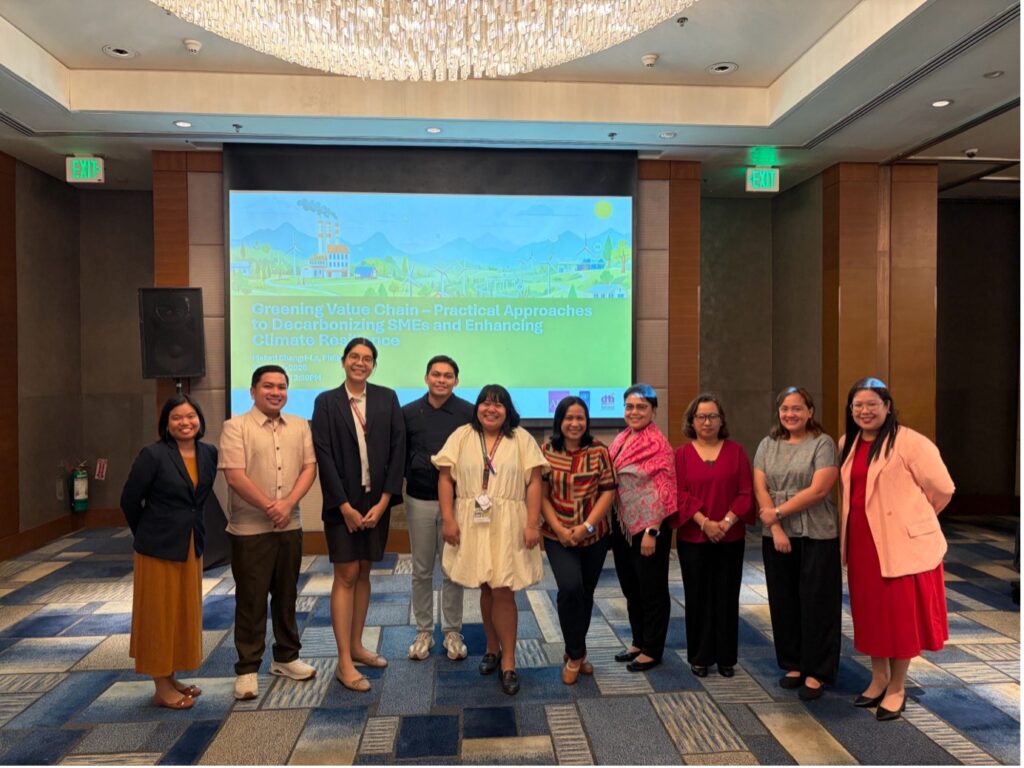
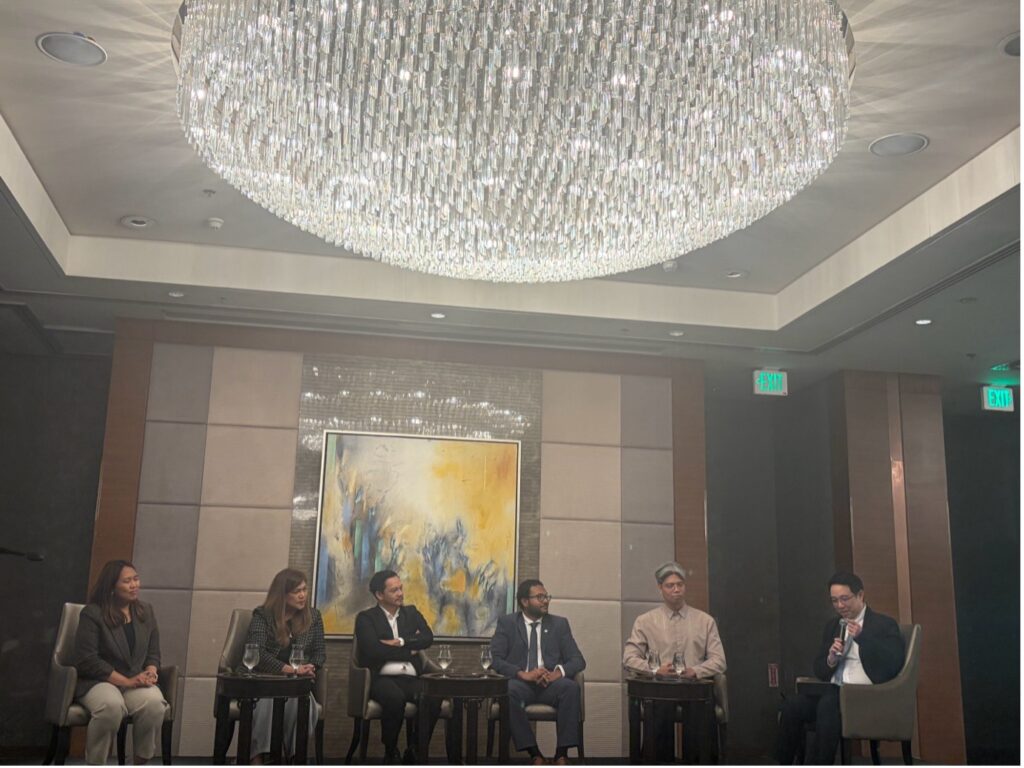
This shift was at the center of the recent forum on Greening Value Chains: Practical Approaches to Decarbonizing SMEs and Enhancing Climate Resilience, convened by the Asian Development Bank and the United Nations Development Programme in collaboration with key Philippine agencies and regional partners. Bringing together policymakers, financial institutions, and industry leaders, the event underscored a clear message: MSMEs are no longer on the sidelines of the sustainability transition—they are at its core.
In his opening remarks, Albert Francis Park reframed the conversation in practical terms. For businesses, he noted, sustainability is not about compliance alone. It is about survival. As markets evolve and supply chains tighten their requirements, enterprises that can reduce costs, manage risks, and meet sustainability standards will be the ones that endure. For MSMEs, this means that improving efficiency—whether through energy savings, waste reduction, or better resource use—is no longer optional but strategic.
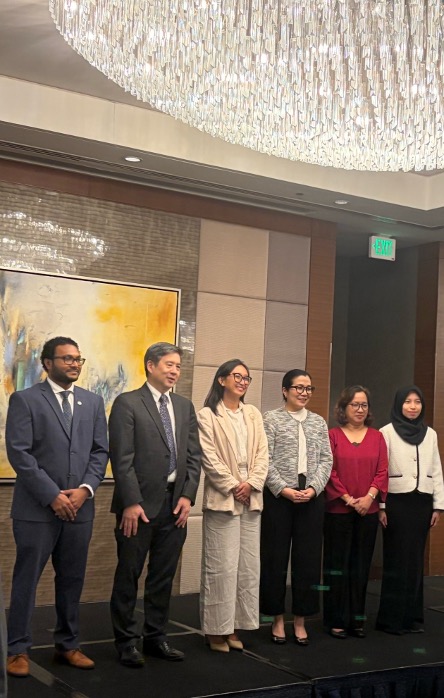
The Philippine context makes this transition even more urgent. The country’s reliance on imported fuel, combined with frequent climate-related disruptions, exposes MSMEs to constant volatility. Pia Bernadette Roman-Tayag of the Bangko Sentral ng Pilipinas highlighted how these pressures are already reshaping financial markets and supply chains. Larger firms are adjusting to sustainability expectations, and these expectations are cascading down to smaller suppliers. MSMEs that begin to adopt sustainable practices are not only reducing their exposure to shocks but are also positioning themselves more strongly within evolving value chains.
Despite this, the path forward is not straightforward. Many MSMEs are aware of the need to transition but remain constrained by limited access to finance, lack of technical expertise, and the absence of reliable tools to measure and report sustainability performance. Even financial institutions face challenges in supporting them, as credible and comparable environmental data remains scarce. The result is a gap between intention and action, where both businesses and financiers recognize the need for change but lack the means to move forward effectively.
Efforts are now underway to bridge this gap. The Bangko Sentral ng Pilipinas is strengthening regulatory signals to guide banks toward sustainable finance, while also exploring innovative approaches such as blended finance to support MSMEs that may be seen as high-risk but are critical to the transition. At the same time, enterprise-level support is being expanded. Cynthia Dela Cruz of the Department of Trade and Industry emphasized that sustainability is increasingly embedded in how buyers and suppliers make decisions. For MSMEs, integrating sustainability into operations is becoming necessary to remain part of supply chains.
Regional experience offers important lessons. Drawing from Malaysia’s Greening Value Chain program, presented by Suraya Sani of Bank Negara Malaysia, one principle stands out: sustainability must be practical. Enterprises respond when requirements are clear, tools are accessible, and benefits are visible. Overly complex standards and fragmented requirements, on the other hand, risk discouraging participation, particularly among smaller firms with limited capacity.
This challenge of complexity was echoed in discussions on sustainability standards and reporting. Chetan Talwar noted that while standards are essential for ensuring credibility and traceability, they can be overwhelming for MSMEs. Simplifying these requirements and translating them into usable tools is therefore critical to enabling wider adoption.
Against this backdrop, the relevance of the UP ISSI Circular Economy (CE) project becomes even more apparent. The project’s focus on documenting real-world practices, developing practical tools aligned with standards, and designing policy incentives grounded in actual enterprise conditions directly responds to the barriers identified in the forum. By working closely with MSMEs in key food value chains, the project aims to move sustainability from an abstract concept to something that businesses can understand, measure, and act upon.
Ultimately, the message from the forum is both clear and pragmatic. Sustainability is no longer a separate agenda from business—it is becoming part of how business is done. For MSMEs, the transition will take time and support, but it also opens new opportunities. Those who are able to adapt will not only reduce risks but also strengthen their position in a rapidly changing economic landscape.
The challenge now is to ensure that this transition is not only ambitious, but also practical and inclusive—so that MSMEs are not left behind, but are instead empowered to lead in building a more resilient and sustainable Philippine economy.